
Gastric
Sleeve
Promo
Gastric
Sleeve
Promo
Weight Loss Procedures Offered at Mexicali Bariatric Center
Specializing in laparoscopic weight loss surgery for over 17 years with over 12,000 successful procedures performed
Gastric Sleeve Surgery
Our team of doctors perform this surgery with great accuracy by narrowing the stomach to create a long sleeve that connects the esophagus to the small intestine. The stomach is then stapled and the rest of it removed. This limits the amount of food the patient consumes, giving the feeling of satisfaction with less food intake.
Gastric Bypass Surgery
RNY is the preferred bariatric surgery in the US. Most of our patients have successful long term weight loss results with minimal weight regain because of our doctors impeccable technique. This procedure limits your food intake and it reduces the amount of calories the body absorbs.
Duodenal Switch Surgery
The procedure could be labeled as a Gastric-Bypass-Gastric-Sleeve consolidation. Our doctors are amongst Mexico’s leading bariatric surgeon in this procedure. They reduce the stomach creating a sleeve and connects it to the intestine which has a chance to digest food before it enters the colon. The DS is both restrictive and malabsorptive.
Revision Surgery
Patients consider revision surgery as an option when not enough weight was lost following surgery, there was weight gained back or had long term surgery related complications, our team have performed thousands of lap Band, gastric sleeve, and gastric bypass revision surgeries, ranking them as the leading bariatric team in the nation.
Weight Loss Surgery in Mexico / Mexicali Bariatric Center
Toll Free: 1-888-344-3916
Certified Bariatric Surgeons and experienced professional staff.
Is Weight Loss Surgery in Mexico Safe?
Weight loss surgery in Mexico has become a great opportunity for American and Canadian overweight patients that need a permanent solution for the many health issues associated with obesity which may worsen over time. Lack of weight loss surgery insurance coverage is a common problem that plays a big roll in a patient’s decision when seeking bariatric surgery out of their country.
But is it safe to travel to Mexico for weight loss surgery? If you have a specialized team of surgeons and good facilities you can have a safe and actually enjoyable surgery experience. MBC has been an option for thousands of overweight patients who have traveled from all over the United States, Canada and other parts of the world for weight loss surgery, and are now enjoying the benefits of a healthier life. You really do not have to sacrifice quality or safety when having surgery with the MBC team.
Dr. Alberto Aceves, founder of the center, no longer performs weight loss surgery but the Mexicali Briatric Center team continues with his legacy along with our experienced bariatric surgeons.
At Mexicali Bariatric Center we understand your concerns in regards to safety, hygiene, credentials, surgeon experience and results and we ensure patient’s expectations are not only met but exceeded. This is why Mexicali Bariatric Center has been known for high quality professional medical care for over 14 years.

Dr. Rodolfo Wilhelmy
Dr. Rodolfo Wilhelmy bariatric surgeon with over 18 years of experience performing weight loss surgery in Mexicali Mexico, Head surgeon at Mexicali Bariatric Center specializing in gastric sleeve, gastric bypass surgeries and revisions.

Dr. David Beltran
Dr. David Beltran bariatric surgeon has been part of the Mexicali Bariatric Center team for over 7 years and has assisted over 3,000 bariatric procedures.
Mexicali Bariatric Center News
Mexicali Bariatric Center is Mexico’s leading weight loss surgery center

Why are high quality staples key for bariatric surgery?
When choosing where to get a bariatric surgery the materials and medical instruments that the surgeons use are very often overlooked, nevertheless, it has a huge impact on the results of your surgery. In this blog we would like to shine some light on the importance of...

How to minimize the risk of a complication during Bariatric Surgery
Complications during weight loss surgery or post surgery is a topic that very few people want to address or even think about. Although complications are not common in our group ( less than 1%) or what is expected it is important to know What steps are being taken by...
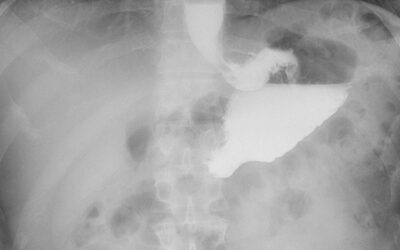
¿CUÁNDO SE RECOMIENDA UN REMANGADO?
La Manga Gástrica es una cirugía restrictiva, lo que significa que limita la cantidad de alimento ingerido. Esto se logra removiendo aproximadamente el 85% del estómago, dándole forma de "manga", por lo cual recibe su nombre. Otras cirugías pueden clasificarse como...